Environmental
Projects
Water Stewardship and
Management
Across the Beverage and Plantation sectors, wastewater is managed through structured treatment, monitoring, and compliance processes to minimise environmental impacts and improve operational efficiency. The Plantation sector focuses on treating and monitoring POME and refinery effluent, maintaining BOD and COD within applicable regulatory limits while improving water-use efficiency across processing facilities. The Beverage sector operates on-site wastewater treatment systems in line with Environmental Protection License requirements, supported by regular internal and independent testing. Treated wastewater is also reused for non-product applications where possible, reducing freshwater consumption. Across both sectors, continuous monitoring, operational controls, technology improvements, and resource-efficiency initiatives support regulatory compliance and more sustainable water and wastewater management.
Resource Utilization and
Circularity
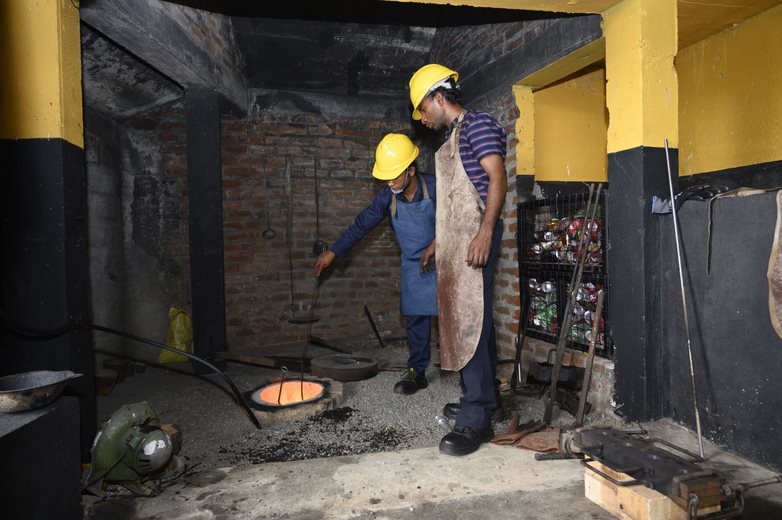
The Beverage sector promotes resource efficiency and circularity by reducing reliance on virgin materials, extending the useful life of packaging, and converting production waste into valuable resources. Key initiatives include capturing and reusing biogenic CO₂, repurposing spent grain and other production by-products, and operating established return systems for glass bottles and plastic crates. Recycled content is also incorporated into packaging materials, while wastewater sludge is repurposed for composting applications. Together, these initiatives help reduce waste, improve resource utilisation, lower environmental impacts, and support a more circular operating model.
Energy and Greenhouse
Gas Emission
Across the Beverage and Plantation sectors, energy efficiency and GHG emissions management focus on reducing energy intensity, transitioning towards cleaner energy sources, and managing exposure to evolving carbon regulations. The Beverage sector monitors energy consumption through real-time systems and an ISO 50001:2018- certified Energy Management System, supported by energy-efficient technologies, process optimisation, solar power, and biogas generation. The Plantation sector focuses on reducing its carbon footprint through zero-deforestation commitments, protection of HCV/HCS areas, responsible peatland management, supplier engagement, and methane capture from POME. Together, these initiatives support lower emissions, improved energy efficiency, greater use of renewable energy, and increased resilience to future carbon-related regulations and costs.
Beach Cleaning
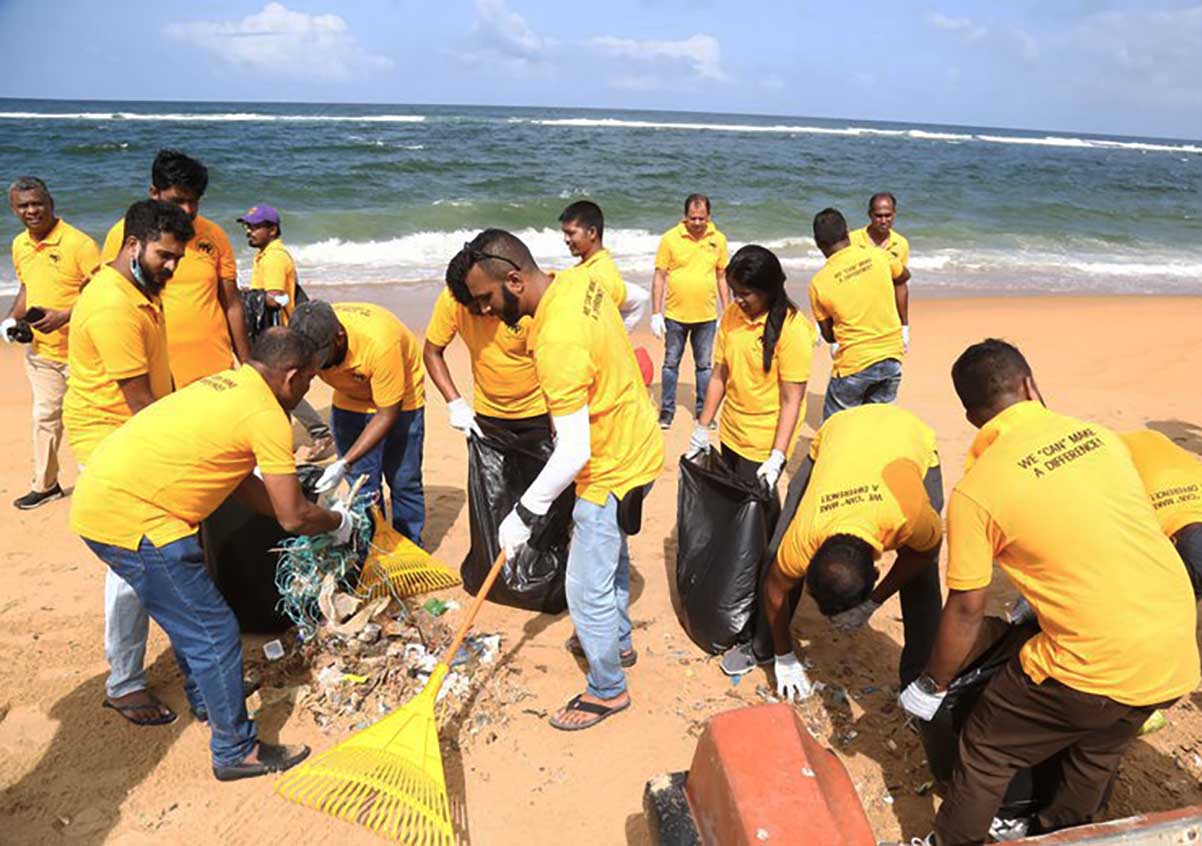
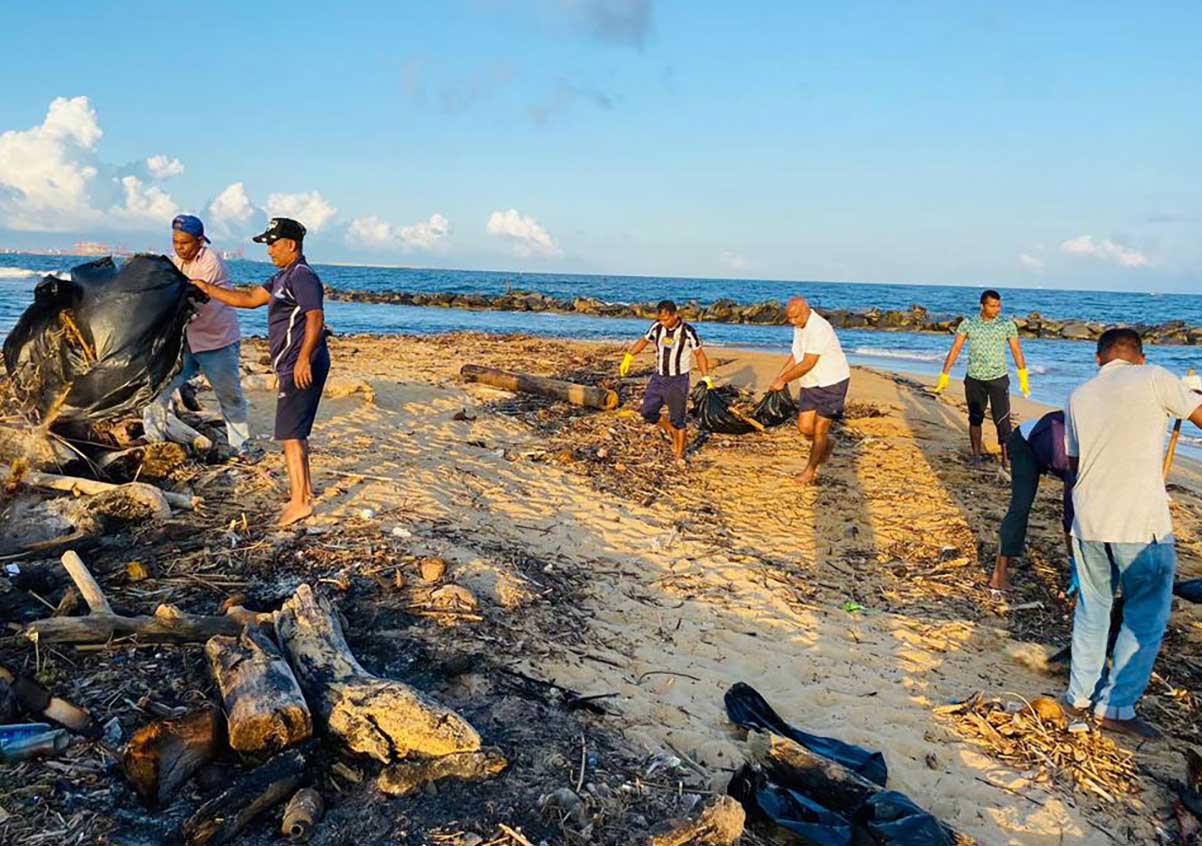
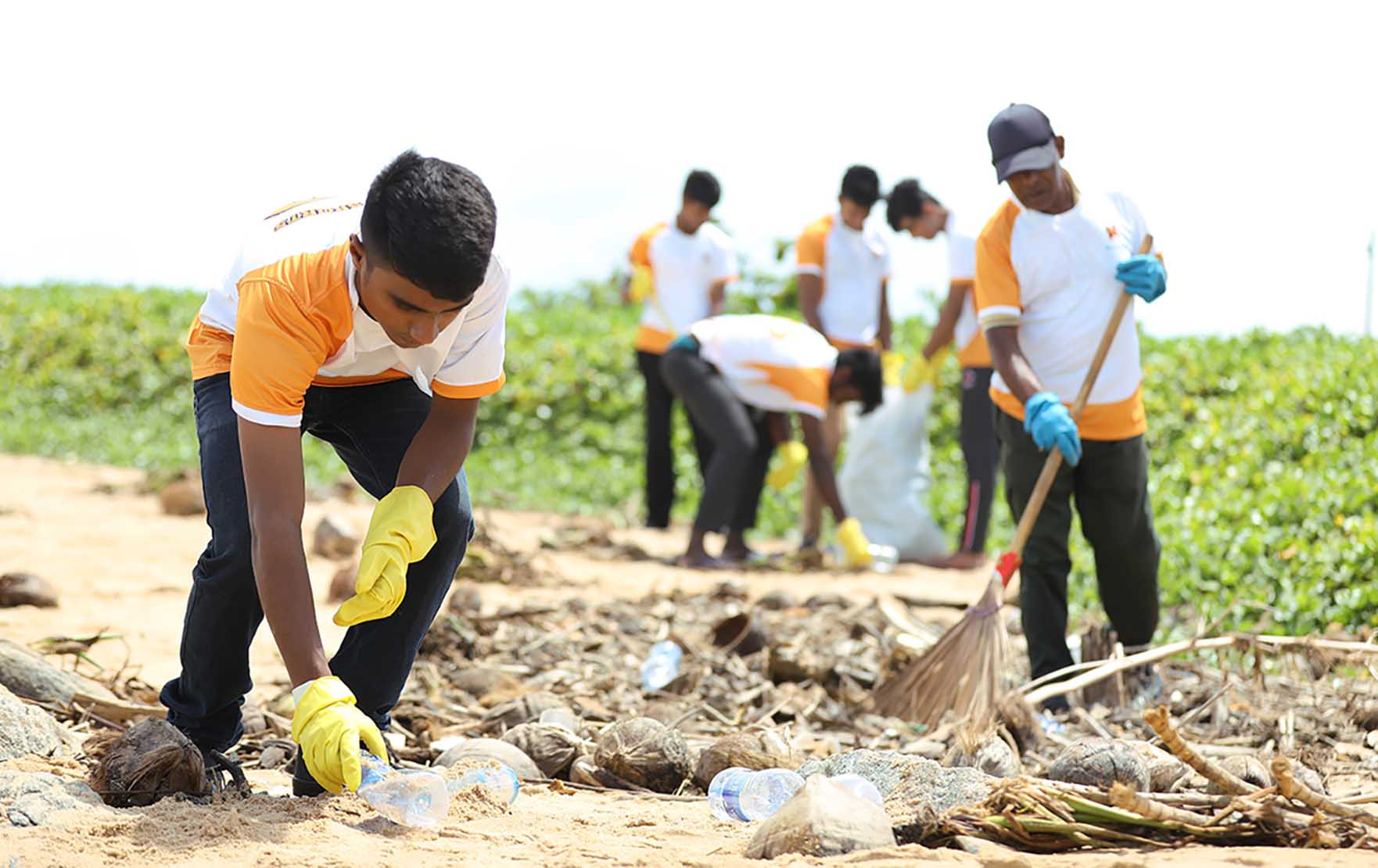
The Leisure sector staff conduct regular sessions to clean up the public beach area surrounding the hotel property, as a part of their annual CSR initiatives. This beach clean-up program is a collective and continuous effort that engages all hotel departments. They participate in this initiative on a rotational basis. Furthermore, the hotel staff also gathers any debris that has been washed ashore and ensures its appropriate recycling.
Protecting High Conservation
Value (HCV) Areas
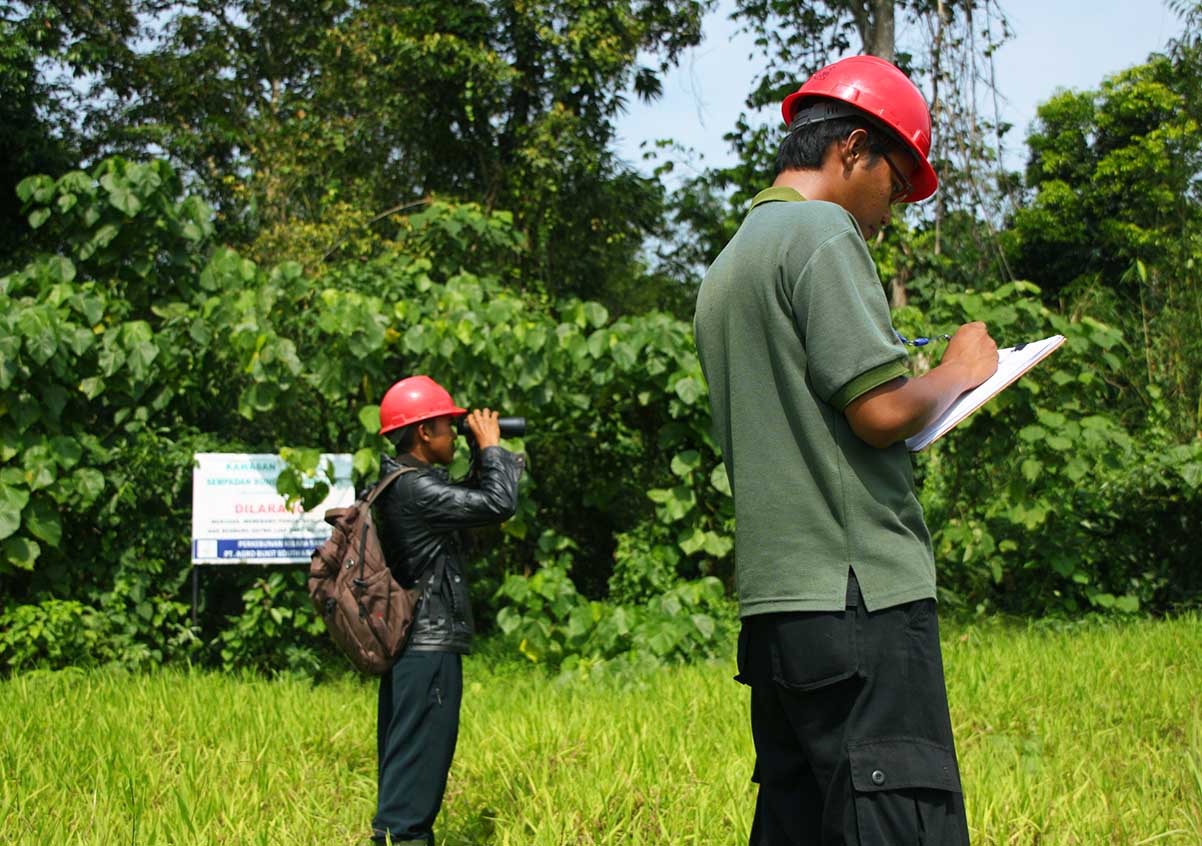
The Company recognizes the importance of preserving wildlife habitats, rare ecosystems, and cultural areas within its concession lands and plantations.
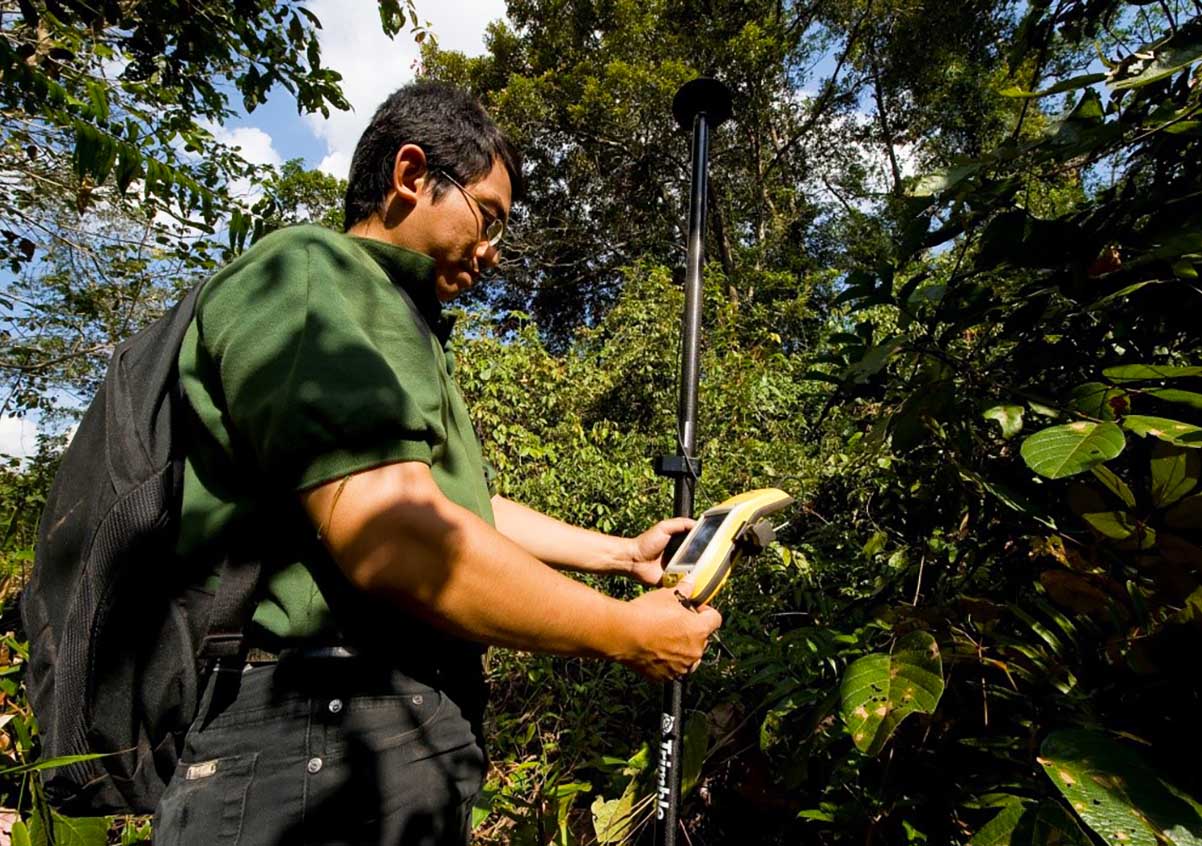
The Company’s use of High Conservation Value (HCV) and High Carbon Stock Approach (HCSA) assessments has led to the identification of 21,513 hectares of land for conservation. This includes biodiverse forests for rare species, areas crucial for ecosystem services, and culturally significant regions for local communities. This underscores the Company’s commitment to responsible land management, ecological preservation, and community engagement.
Biodiversity Conservation
The Group is committed to implementing robust practices aimed at the protection and restoration of ecosystems within each country it operates, thereby preserving the biodiversity and natural habitats of the environment. Each sector of the Group has actively contributed towards this initiative through the implementation of distinct action plans. Through these efforts, the Group effectively contributes to sustainable development and assumes its responsibility in safeguarding the environment for future generations.
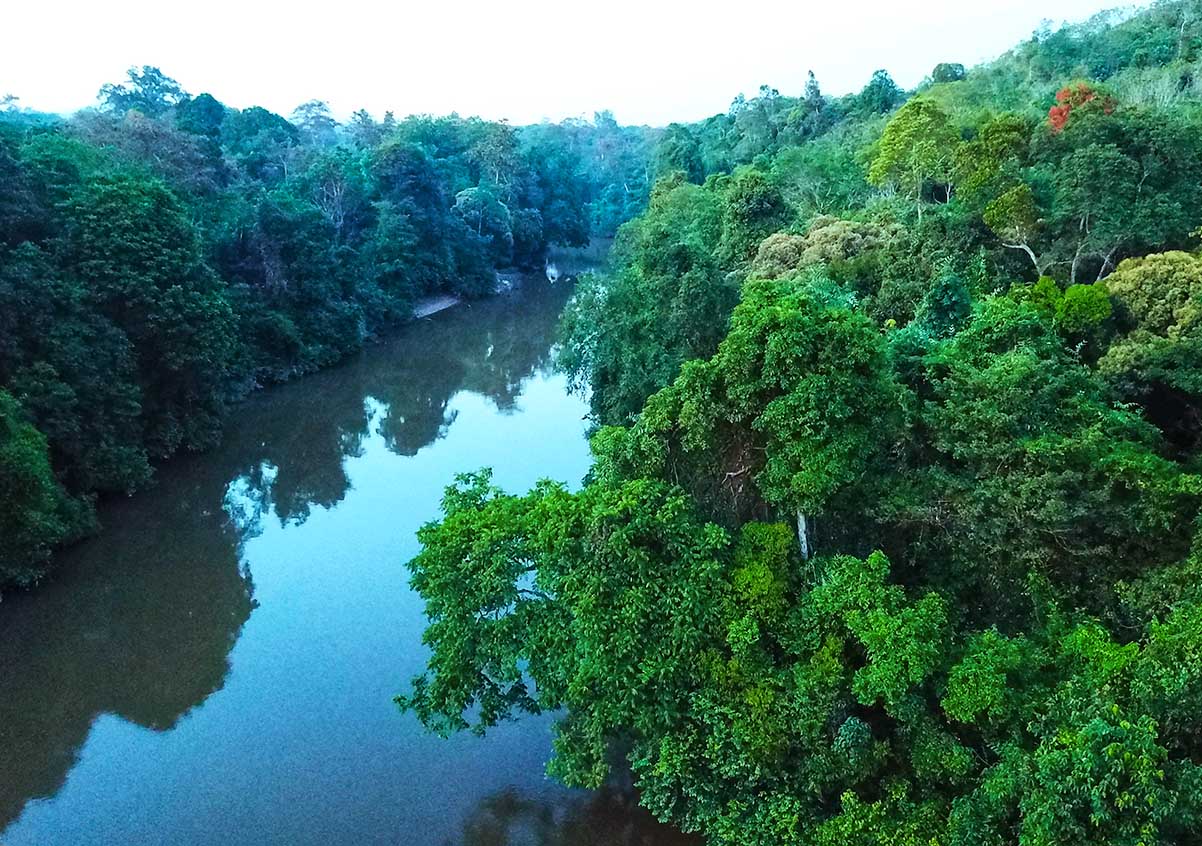
Preserving biodiversity is a key responsibility for sustainable oil palm plantations in Indonesia, which is home to rich and diverse ecosystems and rare species. The Company prioritizes river bank integrity, ecosystem vitality, and endangered species protection through initiatives such as rehabilitating riparian zones and creating animal corridors. Additionally, the Company partners with conservation and law enforcement agencies to educate local communities on biodiversity preservation.
Roundtable on Sustainable
Palm Oil Certification
The Roundtable on Sustainable Palm Oil (RSPO) promotes the production of sustainable palm oil through a membership and certification system with a strong set of principles and criteria from transparency and compliance to new planting and stakeholder engagement.
Goodhope Asia Holdings Ltd became a member of the RSPO in 2014. The membership incorporates all Goodhope subsidiaries, including our three previous members: PT Agro Indomas (RSPO member since 2006), PT Agro Bukit (RSPO member since 2006) and PT Agro Wana Lestari (RSPO member since 2014).
With this membership of the Parent Company, all of Goodhope Group’s oil palm plantations are expected to follow the principles and criteria of the RSPO.
Five of the Goodhope Group’s oil palm processing mills have been awarded RSPO Certification and its two edible oils and fats manufacturing facilities in Malaysia have been awarded RSPO Supply Chain Certification.